Faith & Work Lunch – Feb 6, 2026
From Fear to Faithful Action
Learning Reverent Trust from Nehemiah

Is there something in your workplace or community that's been weighing on you or catching your attention?
Something you wonder if God might care about?
Many of us carry something heavy at work or in our communities—an issue that keeps getting our attention. Maybe it reflects the heart of God. Maybe it feels important. And maybe it also feels risky to engage.
That tension between concern and fear is exactly the space where the story of Nehemiah begins.
Resources:
A Heart That Responds to God First
When Nehemiah heard that Jerusalem’s walls were broken and the people were living in shame, his first response wasn’t action—it was prayer.
He wept.
He mourned.
He fasted.
He confessed.
Only after bringing his grief and concern before God did he begin to move forward.
Later, when the king noticed his sadness and asked what he needed—a moment that carried real risk—Nehemiah’s instinct was again to pray before speaking.
His leadership pattern began with reverent trust: bringing fear, opportunity, and uncertainty to God before taking action.
Moving From Fear to Bold Expectation
Nehemiah was afraid, but he moved forward because his trust was rooted in God’s presence, not in guaranteed outcomes.
As believers, we’re not promised cultural success, safety, or comfort. The expectation is that God will be with us, and that His presence is enough to move us forward in faithfulness.
Reverent trust means:
Prayer before persuasion
Waiting before acting
Letting God define success, not ego, safety, or results
A Pattern of Faithful Leadership
Throughout the rebuilding of the wall, Nehemiah followed a consistent rhythm:
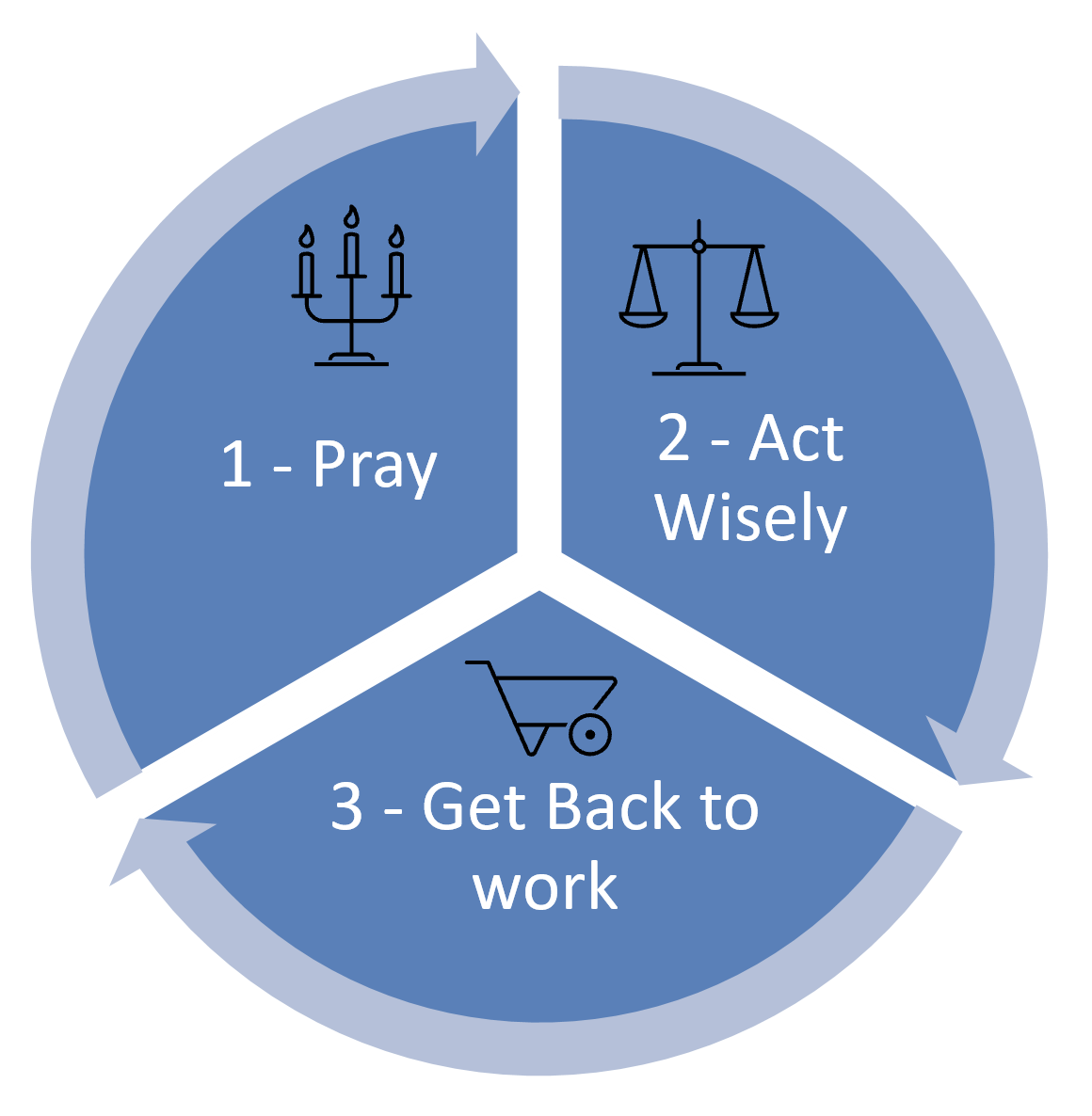
Threat → Prayer → Wise response → Back to the work
When opposition, criticism, or lies came:
He didn’t react impulsively
He didn’t over-explain or defend himself
He discerned what was happening
He responded wisely and with clarity
Then he kept working
Rather than posturing or proving his authority, he trusted God with outcomes and stayed focused on the mission.
Leadership That Serves Others
Nehemiah also used his position to reduce burdens, not increase them. He refused privileges that other governors had taken, worked alongside the people, and addressed injustice when systems harmed them.
Because of this focused, humble leadership, the wall was rebuilt in just 52 days. More importantly, the community experienced restoration, dignity, and renewed worship.
When the Outcome Isn’t What You Expect
Even after this success, the people eventually drifted again. The long-term results didn’t fully hold.
And that reveals an important truth: sometimes the outcome isn’t lasting change.
Sometimes the outcome is this:
God is present with us
We remain faithful to our calling
The space we serve experiences greater dignity, justice, or care—for a season
Our responsibility is faithfulness. The results belong to God.

Where in your work or community might God be inviting you to move from fear into deeper trust and toward bold expectation?
If you’d like to continue this conversation, we’d love to invite you to join us for our next Faith & Work lunch on March 6 or try an industry cohort.